Medieval Sex Facts vs. 2026 Tech: How Intimacy Has Evolved

Fact Checked by Finn Blaze | Last Updated: April 17, 2026 | 10 Min Read
SensualAdvisors is independent and reader-supported. When you buy through links on our site, we may earn a commission at no extra cost to you.
📝 Introduction
We often look at modern intimacy technology—like app-controlled vibrators and VR-synced strokers—and wonder how we got here.
If you have ever searched for medieval sex facts or wondered what was sex like in the 1700s, the answer is usually: uncomfortable, dangerous, and highly resourceful.
Before medical-grade silicone and silent lithium-ion batteries existed, our ancestors relied on stone, wood, animal fats, and steam power to explore their sexuality. The evolution from those brutal early methods to the hyper-realistic, Bluetooth-connected toys of 2026 is nothing short of miraculous.
Let’s take a look at the bizarre history of 1800s sex and medieval practices, and compare them to the advanced adult tech we have the luxury of using today. Spoiler alert: you will be very grateful you live in the 21st century.
🏺 The Evolution of Materials: Stone vs. Platinum Silicone
The Medieval Reality (Ouch)
When exploring medieval sex facts, you quickly learn that early dildos were essentially weapons. Historical artifacts found across Europe and Asia show that people used carved stone, polished wood, or boiled leather stuffed with padding. These materials were porous (meaning they trapped deadly bacteria), completely rigid, and incredibly prone to causing splinters or micro-tears.
The 2026 Tech Upgrade

Thank god for modern material science. We no longer have to worry about splinters.
- Dual-Density Realism: Today, the best firm dildos use “Dual-Density” technology—a hard inner core that mimics bone, wrapped in incredibly soft, body-safe TPE or platinum silicone that feels identical to human skin.
- Temperature Play: Instead of cold stone, modern silicone toys can be warmed up in water to match human body temperature, creating an experience that feels organic and safe.
(If you are curious about modern materials, check out our guide to the [Best Realistic Dildos] to see how far we’ve come).
💧 The Evolution of Lubrication: Animal Fat vs. Hybrid Tech
The Medieval Reality (Infection City)
If you ever wonder what was sex like in the 1700s or earlier, consider the lubrication. Commercial lube did not exist. Couples relied heavily on natural moisture, or worse, they improvised with olive oil, animal fats, or even saliva. Using oil or fat internally was a guaranteed way to disrupt the body’s natural pH balance, leading to severe yeast infections and bacterial vaginosis.
The 2026 Tech Upgrade

The invention of modern, water-based and hybrid lubricants changed the game entirely, making deep penetration and long sessions safe and painless.
- Medical-Grade Slips: Today, we have thick, ultra-slick lubricants that are pH-balanced, paraben-free, and designed to perfectly mimic (or enhance) natural moisture without causing infections.
- Toy Safety: Modern lubes are specifically formulated not to degrade the delicate silicone of your expensive toys.
(Don’t improvise like a medieval peasant. Protect your body and your toys by using one of our [5 Best Lube Picks for 2026]).
🚂 The Evolution of Vibrators: Steam Power vs. App Control
The 1800s Reality (The Hysteria Machine)
When looking at 1800s sex history, the invention of the vibrator is a wild ride. It wasn’t originally sold as a sex toy; it was a medical device used by doctors to treat “female hysteria” by inducing a “paroxysm” (an orgasm). You can explore the complete timeline of this bizarre medical history on [Wikipedia’s history of the vibrator]. The earliest vibrators were massive, terrifying machines powered by steam engines or hand-cranks. They were incredibly loud, heavy, and confined to a doctor’s office.
The 2026 Tech Upgrade
From steam engines to microchips, the vibrator has undergone the most radical transformation of any intimate device.
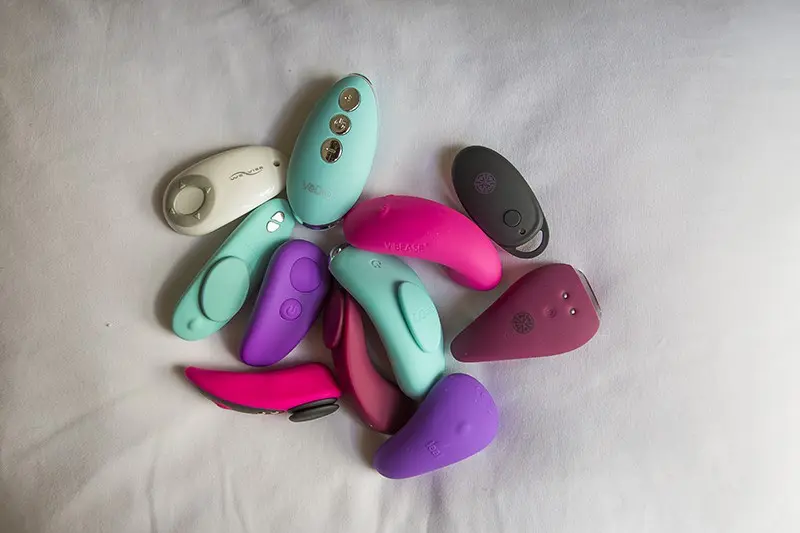
- Silent & Wearable: Instead of a loud, clunky machine, you can now buy microscopic, whisper-quiet [wearable vibrators] (like the Lovense Ferri or We-Vibe Moxie) that clip onto your underwear.
- Global Connectivity: You don’t need a doctor to crank a wheel. You can give your partner control of your pleasure from halfway across the world using a smartphone app.
(Ready to embrace modern tech? Explore our reviews of the [Best Remote Controlled Vibrating Panties]).
⛓️ The Evolution of Chastity: Iron Belts vs. Bio-Resin
The Medieval Reality (The Torture Device)
One of the most famous (and horrifying) medieval sex facts is the existence of the chastity belt. Often made of heavy iron, these crude metal cages were designed to be locked around a woman’s (or man’s) waist. They were heavy, caused severe chafing and rust infections, and were essentially tools of torture rather than pleasure.
The 2026 Tech Upgrade
Chastity play is still incredibly popular today, but the focus has shifted from actual torture to psychological BDSM and consensual power exchange.
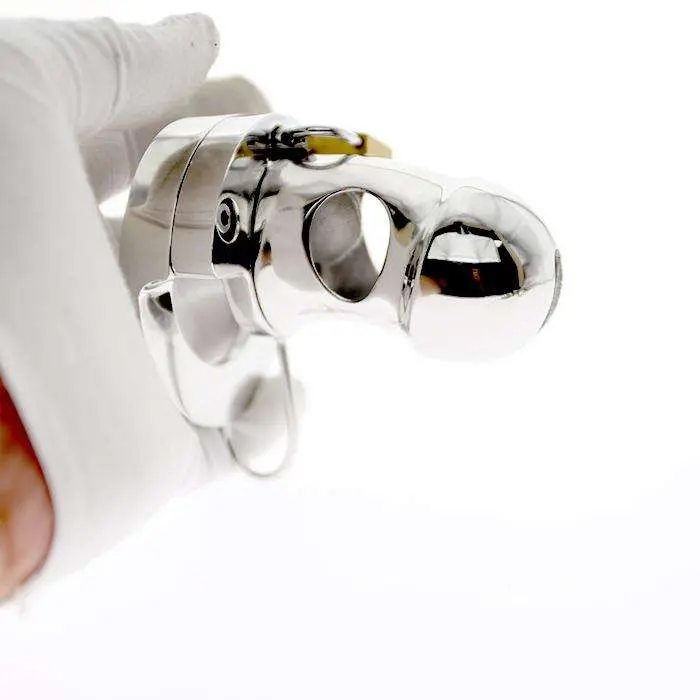
- Lightweight Comfort: Modern [cock cages] are engineered for 24/7 wearability. Brands like Oxy-Shop use advanced 3D printing and lightweight Bio-Resin.
- Hygiene First: Today’s cages feature vented designs for airflow, allowing the wearer to shower and maintain perfect hygiene while remaining completely locked away.
(If you are exploring BDSM, leave the rusty iron in the past. Check out our guide to the [Best Modern Cock Cages] for safe, consensual denial).
❓ FAQ: Historical Intimacy
Did they have condoms in the middle ages?
Yes, but they were not reliable. Early forms of condoms were made from animal intestines (sheep or pig gut) or oiled linen. They were primarily used to prevent diseases like syphilis, not for birth control, and they severely reduced sensation.
When was the first modern vibrator invented?
The first electromechanical vibrator (the “Manipulator”) was invented by Dr. George Taylor in 1889. It was a massive, table-sized device. The first consumer-friendly, handheld vibrators didn’t become popular until the early 1900s when electricity became more common in homes.
Are medieval sex toys safe to use today?
Absolutely not. Carved wood and stone are highly porous materials that harbor dangerous bacteria, and they lack the flexibility needed to prevent internal injuries. Always stick to non-porous materials like platinum silicone, glass, or stainless steel.
🧠 Final Verdict: Be Grateful for 2026
Exploring what was sex like in the 1700s or reading bizarre medieval sex facts is a fun reminder of human ingenuity. But it is also a reminder of how lucky we are.
We live in an era where intimacy is safer, cleaner, and infinitely more customizable than ever before in human history. Don’t take it for granted. Put down the makeshift DIY toys, throw out the cheap jelly plastic, and invest in technology that respects your body.
💡 Pro Tip: Step Into the Future
If you really want to see how far we’ve come from carved wood and steam power, you need to look at Teledildonics (internet-connected sex toys) and Artificial Intelligence. Check out our ultimate guide to the [Best AI Sex Toys & Smart Gadgets] to experience the cutting edge of modern pleasure.




0 Comments